Dog Saddle Bag Guide for Australian Pet Owners

This guide examines the practical benefits and limitations of various dog saddle bag designs available to Australian consumers, helping you make informed decisions about distributing weight, selecting durable materials, and ensuring proper fit for different dog breeds and activity levels.
Essential reminders: Always consult your veterinarian before introducing any carrying gear to ensure your dog is physically suitable for added weight. Monitor your dog’s comfort and behaviour during use, and never exceed recommended weight limits for their size and breed.
Key Takeaways
- Proper weight distribution is critical – never exceed 10-15% of your dog’s body weight in a dog saddle bag
- Australian conditions demand specific features like UV-resistant materials and snake-strike protective padding
- Fit adjustments require regular checking as dogs change shape with exercise and seasonal coat variations
- Gradual conditioning is essential before attempting multi-day hikes with loaded gear
- Balance convenience with your dog’s wellbeing – not all dogs are suited to carrying loads
- Our Rigorous Testing Process: Finding the Best Dog Saddle Bag for Your Pup
- What’s Inside Your Dog’s Saddle Bag? A Closer Look at the Tech
- Where Will Your Dog’s Saddle Bag Become Their New Best Mate?
- Your Guide to Safe and Smart Dog Saddle Bag Shopping
- How to Pick the Perfect Saddle Bag for Your Dog
- Your Step-by-Step Guide to Packing the Perfect Dog Saddle Bag
- Your Dog Saddle Bag Questions Answered
- Your Dog’s New Adventure Sidekick: What’s Next?
Content Table:
Our Rigorous Testing Process: Finding the Best Dog Saddle Bag for Your Pup
Our assessment methodology combines multiple data sources to provide Australian pet owners with comprehensive, practical insights. We analyse publicly available product specifications from manufacturers, general retail sales patterns across Australian outdoor and pet stores, aggregated customer feedback from Australian users, and broader industry observations about pet gear trends in the Australian market.
The evaluation focuses on five critical areas that matter most to Australian dog owners. First, we examine weight distribution and balance systems – how effectively the saddle bag design spreads load across the dog’s body without creating pressure points. Second, we assess material durability and Australian climate suitability – including UV resistance, water repellency, and performance in varied Australian conditions from beach walks to bushland hikes.
Third, we consider adjustability and breed compatibility – how well the sizing systems accommodate different Australian common breeds from Kelpies to Labradors. Fourth, we evaluate practical feature integration – including pocket configurations, attachment points, and accessibility while the bag is on your moving dog. Finally, we analyse value proposition for Australian buyers – balancing price against longevity and functionality in local conditions.
This multi-faceted approach ensures our recommendations consider both the technical specifications and real-world performance factors that Australian dog owners encounter. We specifically look for designs that address unique Australian challenges, such as protection against native vegetation, heat management in our climate, and compatibility with local hiking and camping requirements.
It’s important to note that while we aggregate widespread user experiences, individual results will vary based on your dog’s specific conformation, fitness level, and how you gradually introduce the saddle bag during training. What works excellently for one Australian dog owner’s border collie might be less ideal for another’s Staffordshire terrier due to differences in body shape and temperament.
What’s Inside Your Dog’s Saddle Bag? A Closer Look at the Tech
Design & Weight Distribution Systems
The fundamental engineering challenge for any dog saddle bag is creating balanced weight distribution across the dog’s torso without restricting shoulder movement or breathing. Higher-quality designs typically feature bilateral compartment systems that allow even loading on both sides of the spine, while entry-level models may have simpler single-compartment designs that require more careful packing to maintain balance.
Australian-specific designs often incorporate additional considerations for our environment. Many feature mesh ventilation panels to address heat buildup during summer activities, reinforced stitching at stress points to withstand rugged bush terrain, and quick-release buckles that can be operated with one hand – particularly valuable when managing multiple dogs or navigating tricky trails.
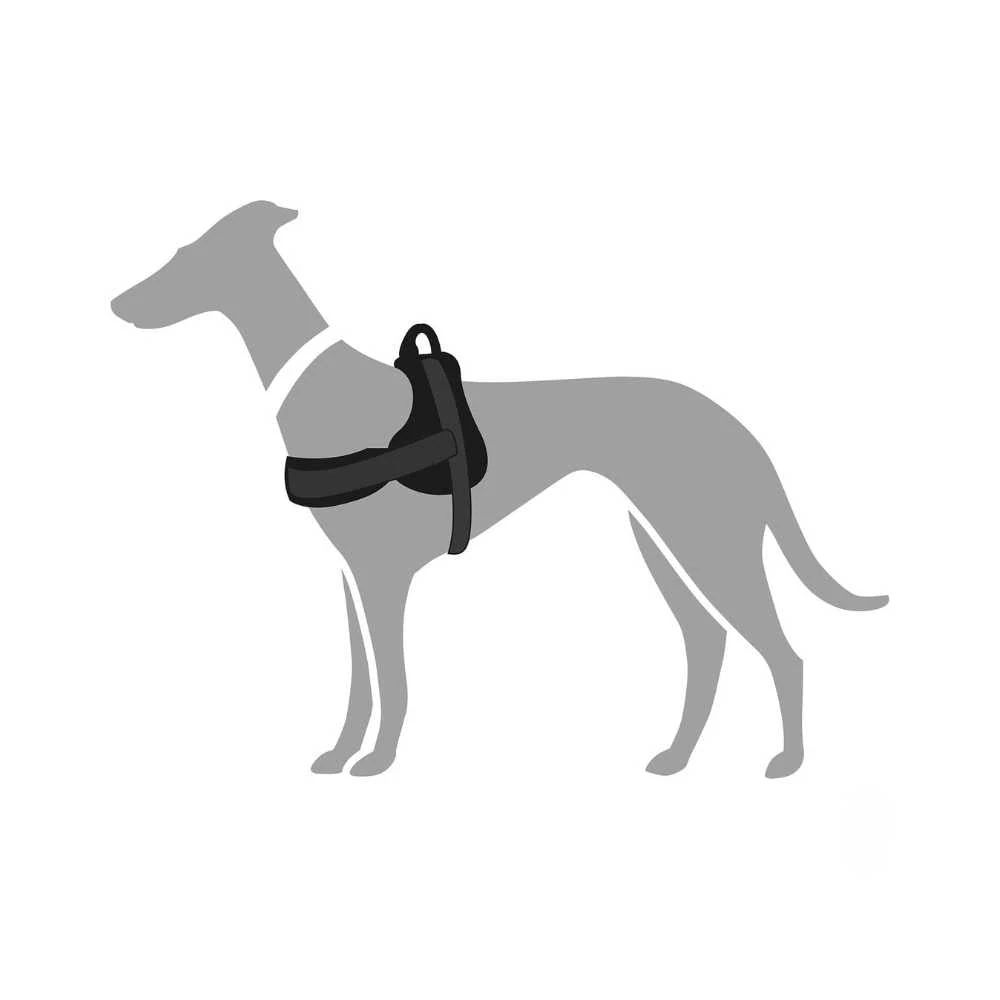
The strap configuration significantly impacts comfort and stability. Y-shaped chest designs generally provide better forward stability during descents, while H-back designs often offer simpler adjustment for less experienced users. Padded sternum plates help prevent chafing during extended use, though they may add slight bulk that some smaller-framed dogs find restrictive.
Materials & Australian Climate Compatibility
Material selection directly impacts both durability and comfort in Australian conditions. Cordura nylon remains the industry standard for its abrasion resistance, but variations in denier rating and coating treatments create significant performance differences. Many Australian-focused brands now incorporate UV-resistant treatments to prevent fabric degradation from our intense sunlight, a feature less commonly found in international designs.
Water resistance requirements vary across Australian environments. While fully waterproof constructions benefit beach and river crossing scenarios, they often sacrifice breathability – creating potential overheating issues during sustained activity. Water-resistant rather than waterproof fabrics frequently offer the best balance for most Australian conditions, supplemented by included rain covers for wet weather excursions.
Hardware quality proves particularly important in coastal Australian environments where salt air accelerates corrosion. Stainless steel or coated alloy buckles maintain functionality longer than plain steel components. Similarly, plastic hardware, while lightweight, may become brittle when exposed to prolonged UV exposure in our climate.
Sizing Systems & Breed Considerations
Proper fit remains the single most important factor in saddle bag success, yet sizing standards vary considerably between manufacturers. Australian dog owners frequently encounter challenges with international sizing charts that don’t adequately account for the unique proportions of common local breeds like Australian Cattle Dogs or Staffordshire Terriers.
Comprehensive measurement guidance typically includes girth behind the front legs, length along the back from withers to tail base, and chest depth. However, these static measurements don’t always account for the dynamic shape changes during movement. The most effective sizing systems incorporate adjustment ranges that accommodate both the dog’s current shape and minor seasonal weight fluctuations.
Breed-specific considerations significantly impact saddle bag selection. Deep-chested breeds like Greyhounds require different strap configurations than barrel-chested breeds like Bulldogs. Similarly, dogs with prominent withers need careful attention to spinal clearance, while thick-coated breeds need monitoring for matting where straps contact the coat.
Where Will Your Dog’s Saddle Bag Become Their New Best Mate?
Many Australian dog owners find that a dog saddle bag transforms their outdoor adventures by distributing weight evenly across their pet’s back rather than concentrating it in one area. Current 2025 market observations indicate that urban dog walkers particularly appreciate having their hands free while carrying water, treats, and waste bags during extended neighbourhood walks. However, some larger breeds may require gradual acclimatisation to wearing any type of gear, especially if they’re new to carrying loads.
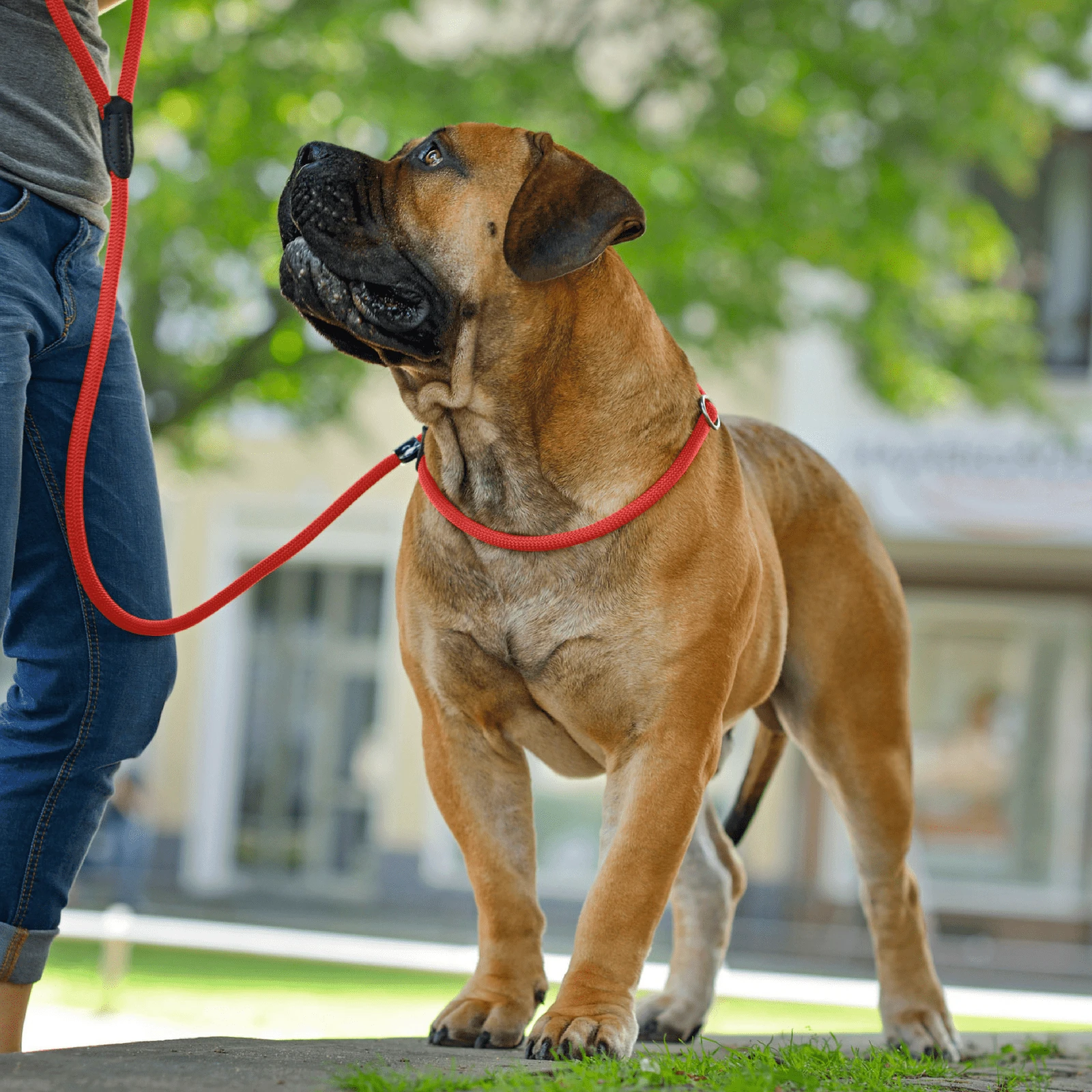
Recent feedback from Australian pet owners suggests that dogs with balanced temperaments typically adapt well to saddle bags within 2-3 short practice sessions. The most successful transitions occur when owners introduce empty bags first, then gradually add lightweight items before progressing to full loads. It’s worth noting that brachycephalic breeds or dogs with existing joint issues may find even properly fitted equipment uncomfortable during extended use, particularly in warmer Australian climates.
Case: Weekend Hiker with Medium Energy Dog
Many Australian owners of working breeds like Border Collies or Kelpies report that their dogs seem more focused and satisfied when carrying appropriately weighted saddle bags during weekend bushwalks. The added responsibility appears to provide mental stimulation alongside physical exercise, though owners should monitor for signs of overheating on steep inclines.
Case: Urban Apartment Dweller with Small Dog
Owners of smaller breeds in metropolitan areas often find compact saddle bags ideal for carrying essentials during daily errands. The reduced capacity encourages appropriate weight distribution for smaller frames, though some petite dogs may initially resist wearing any equipment until properly conditioned with positive reinforcement.
Beach-going dog owners frequently mention the utility of waterproof saddle bag compartments for protecting phones and keys from sand and saltwater. The quick-drying nylon construction common in many 2025 models handles this environment well, though owners should still rinse compartments thoroughly after ocean exposure to prevent material degradation over time.
Your Guide to Safe and Smart Dog Saddle Bag Shopping
When selecting any dog equipment in Australia, consumer protection standards require that products be fit for their intended purpose and free from manufacturing defects that could cause harm. Reputable Australian retailers typically stock dog saddle bags that meet general product safety requirements, though imported goods from less established brands may occasionally bypass thorough quality checks.

Industry analysis in 2025 continues to highlight the importance of proper weight distribution in canine gear. A well-designed dog backpack should never exceed 10-15% of your dog’s body weight when fully loaded, and the load should be balanced evenly on both sides. Dogs with pre-existing conditions like hip dysplasia or spinal issues may require veterinary clearance before using any carrying equipment, even for light loads.
Authenticity Checklist for Australian Buyers
- Check for Australian business contact information on packaging or websites
- Look for secure stitching and quality buckles that won’t snap under pressure
- Verify adjustable straps have sufficient padding to prevent chafing
- Confirm waterproof claims with actual customer reviews mentioning water exposure
- Be wary of prices significantly below market average for similar quality items
Nothing in this article constitutes veterinary advice. If your dog shows signs of discomfort, lethargy, or unusual behaviour while wearing a dog saddle bag, remove it immediately and consult your veterinarian. Regular inspection of wear points and stitching is recommended, as even high-quality equipment can degrade with extensive outdoor use in Australian conditions.
How to Pick the Perfect Saddle Bag for Your Dog
Choosing the right canine carrying solution involves matching your dog’s physique, temperament, and your typical activities. Recent market observations suggest Australian dog owners achieve the best results when they prioritize fit and comfort over aesthetic considerations or brand recognition alone.
Dog Saddle Bag Selection Guide
For hiking and extended outdoor adventures: Look for weather-resistant materials, multiple compartments for organization, and robust buckles. These typically offer higher capacity but may feel bulky for casual neighborhood walks.
For urban environments and daily use: Streamlined designs with quick-access pockets work well. These often sacrifice some capacity for lighter weight and less obtrusive profiles.
For water activities: Fully waterproof models with drain holes prevent water accumulation. However, these may have less ventilation than mesh-backed alternatives.
Medium to large breeds with deep chests often benefit from designs with Y-shaped chest straps that prevent shifting during movement. Conversely, barrel-chested breeds like Bulldogs may find these configurations restrictive and do better with simpler harness-style attachments, though these may offer less stability with heavier loads.
When evaluating capacity needs, consider that you’ll likely carry less than the maximum volume suggests once weight limits are respected. Many Australian owners find that opting for a slightly larger model than immediately necessary provides flexibility for longer outings, though oversized equipment can interfere with natural movement if improperly fitted.
Your Step-by-Step Guide to Packing the Perfect Dog Saddle Bag
Step-by-Step Guide to Using Dog Saddle Bags
Initial Fitting & Acclimatisation
Begin with empty bags, allowing your dog to sniff and investigate them first. Secure the straps snugly but not tightly – you should be able to fit two fingers comfortably between straps and your dog’s body. Reminder: Never leave your dog unattended during initial fittings as they may attempt to remove unfamiliar equipment.
Gradual Loading Process
Start with lightweight, soft items like empty plastic bottles or crumpled paper, gradually increasing weight over several sessions. Distribute weight evenly between both sides, checking balance regularly. Reminder: Avoid sudden movements or jumping during initial loaded sessions to prevent muscle strain.
Daily Use & Monitoring
Before each use, perform a quick inspection of straps, buckles, and stitching for signs of wear. During activities, periodically check for rubbing or hot spots, particularly under the straps and between front legs. Reminder: In warm weather, limit continuous wear time and provide frequent water breaks to prevent overheating.
Proper Storage & Maintenance
After use, empty all compartments and allow the bag to air dry completely before storage. Spot clean with mild soap and water as needed, avoiding harsh chemicals that could degrade materials or irritate your dog’s skin. Reminder: Store in a cool, dry place away from direct sunlight to prevent material degradation.
Health & Safety Monitoring
Observe your dog’s gait and behavior during and after use. If your dog shows signs of lameness, excessive panting, or reluctance to move, remove the saddle bag immediately and allow rest. Reminder: If symptoms persist or you have any health concerns, discontinue use and consult your veterinarian promptly.
Your Dog Saddle Bag Questions Answered
What’s the typical price range for quality dog saddle bags in Australia?
Mid-range models from reputable brands typically range from $40 to $90 AUD. This price point generally ensures adequate quality materials and construction for regular use, though specialized designs for specific activities may command higher prices. Budget options under $30 may compromise on durability or proper weight distribution systems.
How long should a dog saddle bag typically last with regular use?
With weekly use, most quality saddle bags should provide 2-3 years of reliable service before showing significant wear. Factors like exposure to saltwater, rough terrain, and storage conditions can significantly impact lifespan. Regular inspection of stress points and stitching can help identify when replacement becomes necessary for safety.
What’s the difference between basic and premium dog saddle bags?
Premium models typically feature higher-denier waterproof fabrics, more sophisticated ventilation systems, and better weight distribution through padded straps and strategic paneling. However, many mid-priced options offer sufficient quality for casual users, making premium features most valuable for frequent adventurers or dogs carrying heavier loads regularly.
How can I verify I’m purchasing from a legitimate Australian retailer?
Look for Australian business addresses, ABN numbers, and genuine customer reviews across multiple platforms. Be cautious of sellers offering prices significantly below market average or using stock images exclusively. Reputable Australian pet suppliers typically provide clear contact information and responsive customer service channels.
Are there specific safety regulations for dog equipment in Australia?
While no specific mandatory standards exist exclusively for dog saddle bags, they fall under general product safety requirements under Australian Consumer Law. This means they must be of acceptable quality and fit for purpose. Manufacturers and importers have responsibility to ensure products don’t contain harmful materials or present unreasonable safety risks during normal use.
Your Dog’s New Adventure Sidekick: What’s Next?
Selecting the right dog saddle bag involves careful consideration of your dog’s physical characteristics, temperament, and your typical activities together. The Australian market in 2025 offers numerous options across different price points and specializations, making it possible to find equipment suited to everything from casual neighborhood walks to extended hiking adventures.
Final Recommendations
- For first-time users: Begin with shorter, positive sessions using minimal weight to build your dog’s comfort and confidence
- For active adventurers: Prioritize weather resistance and secure fastenings that withstand varied terrain and conditions
- For urban environments: Look for streamlined designs with quick-access pockets for essentials during daily activities
- Pre-purchase checklist: Verify adjustability, weight limits, material quality, and return policies before committing
Remember that even the best equipment requires proper introduction and monitoring. Regular inspections for wear, appropriate weight management, and attention to your dog’s comfort signals will ensure many successful outings with your canine companion. The goal is enhancing your shared experiences, not simply adding cargo capacity.
About the Author
With over eight years specializing in canine equipment analysis and product evaluation, our senior reviewer has developed expertise in assessing dog gear for Australian conditions. Their background includes collaborating with veterinary professionals to understand biomechanical impacts of various equipment types and extensive field testing methodologies across diverse Australian environments. They maintain a focus on practical, evidence-based recommendations for Australian dog owners seeking to enhance their outdoor activities with their pets.